Cock Fighting Rooster: The Thrilling World of Sabong and Sports Betting
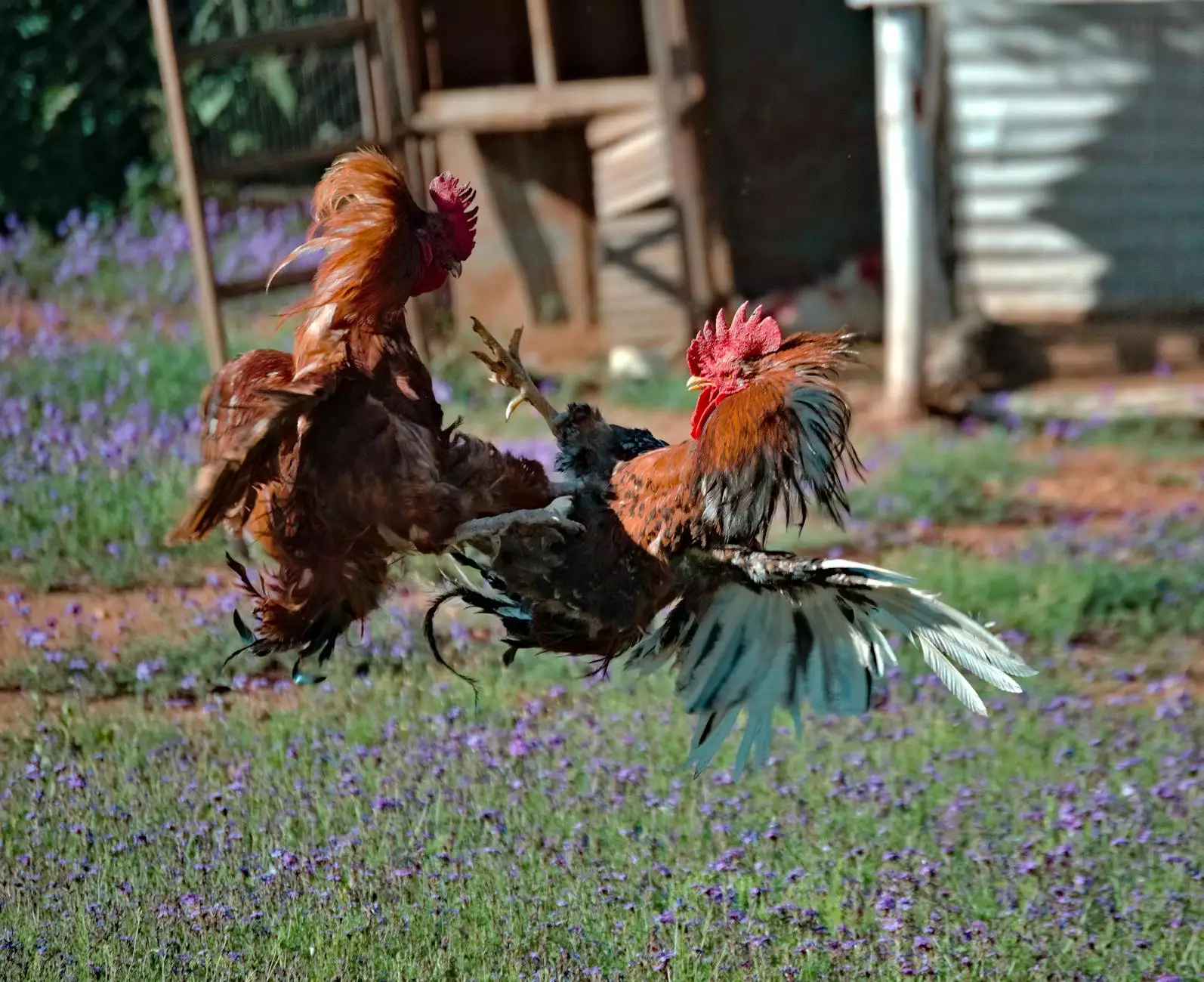
The Rich History of Cock Fighting
Cock fighting has been part of human culture for centuries, with evidence dating back to ancient civilizations. The sport has evolved but remains deeply embedded in various cultures worldwide, particularly in Southeast Asia, where it is known as sabong. Participants breed specific breeds of roosters, emphasizing traits such as aggression, agility, and stamina to create the ultimate cock fighting rooster.
The Breeds of Cock Fighting Roosters
Different breeds of roosters are specifically developed for cock fighting. Some of the notable breeds include:
- American Game: Known for their aggression and fighting spirit.
- Pit Game: Recognized for their strong physique and endurance.
- Asil: A traditional breed revered for its toughness.
- Shamo: A Japanese breed known for its stature and strength.
The right breed can make a significant difference in the outcome of the fights. Breeders invest time and resources into ensuring their birds possess the qualities necessary to win.
The Art of Training Cock Fighting Roosters
Training a cock fighting rooster requires a profound understanding of animal behavior, nutrition, and conditioning. Owners often train their roosters from a very young age, focusing on the following aspects:
- Physical Conditioning: This involves regular exercise routines to build strength and endurance.
- Diet: A carefully planned diet rich in protein is essential for muscle development.
- Socialization: Ensuring the rooster is well-socialized helps in reducing anxiety during fights.
- Fight Simulation: Practicing against other roosters to prepare mentally and physically for actual fights.
The training process is intensive, demanding dedication and expertise from the trainer.
Cock Fighting as a Cultural Phenomenon
In many communities, cock fighting transcends mere sport and becomes a cultural celebration. Major events draw crowds, where people come together to celebrate their love for this sport. The atmosphere is electric as spectators place bets, discussing strategies and showcasing their own birds.
The cock fighting rooster itself becomes a symbol of pride for many owners, illustrating their skill in breeding and training. These events also provide a sense of community, fostering relationships and camaraderie among enthusiasts.
The Economics of Cock Fighting
The cock fighting industry contributes significantly to the local economies where it is practiced. Gamblers bet on the outcomes, and significant amounts of money can change hands during major competitions. Some key economic aspects include:
- Local Businesses: Vendors often set up stalls at events, selling food, beverages, and merchandise.
- Breeding and Training Facilities: There are various breeding farms and training centers catering to the needs of cock fighting enthusiasts.
- Employment Opportunities: Many individuals find work as trainers, handlers, and in organizing events.
The racing of dollars within this industry can be substantial, making it an essential part of the local economy.
Responsible Betting in Cock Fighting
With the excitement of betting in cock fighting comes the need for responsible gambling practices. Betting can enhance the experience, but it’s crucial to approach it with caution. Here are some tips for responsible betting:
- Set a Budget: Before engaging in betting, determine how much you're willing to wager.
- Research: Understand the roosters, their breeders, and previous fight outcomes before placing bets.
- Know the Odds: Familiarizing yourself with how odds work can improve your betting strategy.
By following these guidelines, participants can enjoy the thrill while minimizing potential risks.
Legal and Ethical Considerations
Cock fighting, while culturally significant in many regions, raises ethical and legal questions. Attitudes towards the sport vary greatly, and in many places, it is viewed as a form of animal cruelty. Here are some considerations:
- Legislation: Laws governing cock fighting differ worldwide; understanding local laws is essential.
- Animal Welfare: Advocates argue for the humane treatment of animals involved in the sport.
- Community Perspectives: The perception of cock fighting can shift based on cultural backgrounds.
Balancing tradition, ethics, and legality is an ongoing discussion in many communities engaged in this sport.
Future of Cock Fighting and Its Global Impact
The future of cock fighting remains uncertain as societal views evolve. With increasing advocacy for animal rights, the sport faces scrutiny. However, like many traditional practices, it will likely continue to adapt and evolve in response to changing perceptions and legal challenges.
Innovations and technologies, for instance, can play a role in the breeding and training processes, potentially improving the welfare of the animals involved while preserving the cultural significance of cock fighting.
Sabo and the Global Sports Betting Industry
Sabong International Online stands at the forefront of the global sports betting industry associated with cock fighting. This platform offers an exciting venue for enthusiasts to engage with the sport, featuring live streams of cock fights, betting options, and community interactions.
The digital transformation of sabong has opened up new opportunities for engagement, allowing fans worldwide to partake in this ancient practice from the comfort of their homes. With developments in technology, the world of cock fighting betting is set to become even more dynamic.
Conclusion: The Enduring Appeal of Cock Fighting Roosters
The cock fighting rooster embodies not just a competitor in the arena but also a rich tapestry of cultural identity, community, and legacy. As we navigate the complexities of tradition, legality, and ethics, the passion for cock fighting remains a vibrant part of many societies worldwide. With platforms like Sabong International Online, enthusiasts can celebrate and continue this time-honored tradition, ensuring its relevance in the modern age.
By recognizing the multifaceted nature of cock fighting, we appreciate its role not only as a sport and a source of entertainment but as an integral part of cultural heritage that deserves thoughtful consideration and respectful dialogue.